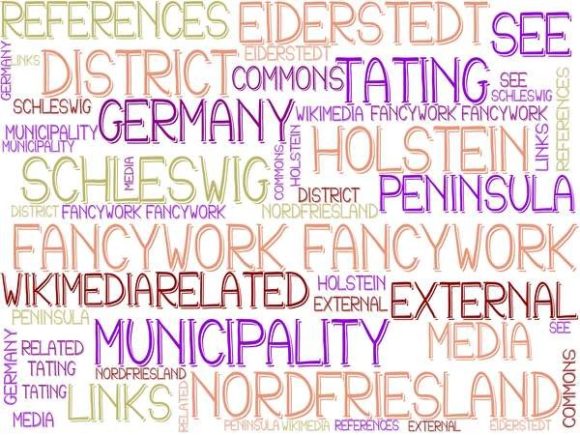
Fancywork Wordcloud Skinny Tumbler: A Design Resource for Creative Professionals and Hobbyists
The Fancywork Wordcloud Skinny Tumbler is a digital design asset—a downloadable vector or high-resolution raster file—featuring a stylized, narrow word cloud layout optimized for vertical applications. Unlike generic word clouds generated from text input, this is a pre-designed, curated graphic element with intentional typography, spacing, and visual rhythm. It’s crafted to function as a flexible visual component across print and digital projects, particularly where space is constrained or a sleek, modern aesthetic is desired.
People often seek the Fancywork Wordcloud Skinny Tumbler when they need a ready-to-use, visually balanced word cloud that avoids the cluttered or algorithmically uneven appearance of auto-generated alternatives. Its “skinny” proportion makes it especially useful in layouts with limited horizontal real estate—think business cards, slim banners, sidebars in web design, or vertical packaging panels. It’s not software or a plugin; it’s a static design file (commonly delivered as SVG, EPS, PNG, or PDF), licensed for commercial or personal use depending on the vendor’s terms.
One reason designers and marketers consider this asset is efficiency. Building a custom word cloud from scratch—selecting fonts, adjusting kerning, balancing word weights, and ensuring legibility at small sizes—can be time-consuming. The Fancywork Wordcloud Skinny Tumbler offers a consistent, professionally composed starting point. It supports rapid prototyping for branding mockups, social media templates, or event collateral without requiring advanced typographic expertise.
Its versatility extends across numerous applications: invitations where guest names or themes form a vertical motif; banners for trade shows or retail displays; stickers or magnets with layered textual interest; scrapbooking elements that add narrative texture; and even textile or jewelry designs where linear word arrangements translate well to embroidery or laser-cut patterns. In UX and web design, it can serve as a subtle background motif or content divider—provided contrast and readability are verified at intended display sizes.
However, practical considerations apply. Because it’s a fixed design, customization options are limited to color changes, scaling, and cropping—unless editable vector files (like layered SVG or AI) are included. Users needing to swap out specific words or adjust hierarchy dynamically will find the Fancywork Wordcloud Skinny Tumbler inflexible compared to generative tools like WordClouds.com or data-driven plugins for Adobe Illustrator or Figma. Also, licensing terms vary: some versions permit unlimited use across client projects, while others restrict resale in end products like printed stationery sold commercially.
Readers evaluating this asset should assess their workflow needs first. If your goal is speed, consistency, and visual cohesion across a campaign—especially one with tight deadlines or minimal in-house design support—the Fancywork Wordcloud Skinny Tumbler may streamline production. It’s a strong fit for small businesses launching branded merchandise, educators designing classroom materials, wedding planners creating cohesive invitation suites, or indie publishers developing book covers or interior layouts where thematic keywords reinforce tone.
Conversely, if your project demands semantic accuracy—such as visualizing survey results, SEO keyword density, or audience sentiment—the Fancywork Wordcloud Skinny Tumbler won’t meet that need. Its word selection and sizing are stylistic, not data-driven. Similarly, if you require multilingual support, accessibility compliance (e.g., screen reader–friendly text layers), or responsive behavior in web interfaces, a custom-coded or SVG-based solution with semantic HTML structure would be more appropriate.
Another consideration is scalability. While vector formats scale cleanly, raster versions (e.g., PNG) may pixelate when enlarged beyond their native resolution. Always verify file type and dimensions before purchase. For large-format printing (e.g., posters or wall decals), a 300 DPI PNG at 24 inches tall may suffice—but for digital signage or retina displays, SVG or EPS ensures crisp rendering at any size.
Color adaptability matters too. Many versions ship in grayscale or single-color outlines, allowing easy recoloring in design software. Others include pre-set palettes. If your brand guidelines specify exact Pantone or CMYK values, confirm whether the file supports spot color channels—or whether manual adjustment will be required during prepress.
When comparing alternatives, consider both functional and strategic factors. Free word cloud generators offer flexibility but lack design polish and consistency. Custom illustration services provide full control but carry higher cost and longer turnaround. Subscription-based design platforms (e.g., Canva or Creative Market bundles) may include similar assets, but usage rights and attribution requirements differ. The Fancywork Wordcloud Skinny Tumbler sits between those extremes: a one-time, affordable investment with predictable output—ideal when repeatability and aesthetic control outweigh the need for dynamic content.
Practical decision-making starts with defining your primary use case. Ask: Will this appear in a single campaign or recur across multiple touchpoints? Do stakeholders expect editable source files, or is final-art approval sufficient? Is the word arrangement meant to convey meaning—or simply serve as decorative texture? If the answer leans toward repetition, brand alignment, and time-sensitive execution, the Fancywork Wordcloud Skinny Tumbler aligns well. If your priority is interactivity, data fidelity, or iterative refinement, allocate time and budget toward adaptable tools instead.
Also consider integration effort. Does your team use Adobe Creative Cloud, Affinity Designer, or free tools like Inkscape? Confirm compatibility—some SVGs include embedded fonts or effects that render differently across editors. Test the file in your usual workflow before committing to bulk licenses or extended usage tiers.
Finally, evaluate long-term value. A well-chosen word cloud asset can become part of a reusable design system—paired with complementary icons, borders, or textures from the same creator. Look for vendors who offer style-consistent bundles or updates, as this reduces future sourcing friction. But avoid over-purchasing: if you only need one vertical word cloud for an upcoming product launch, a single license suffices.
In summary, the Fancywork Wordcloud Skinny Tumbler is a purpose-built design element—not a universal solution, but a targeted tool. Its value emerges most clearly when matched to specific constraints: vertical layout requirements, consistency expectations, and efficiency goals. Readers weighing this option should prioritize clarity about their output format, audience context, and technical environment over broad claims about versatility. When those conditions align, it functions reliably as both a time-saver and a visual anchor.