Microscopy Wordcloud Tumbler: A Versatile Design Asset for Creative Professionals
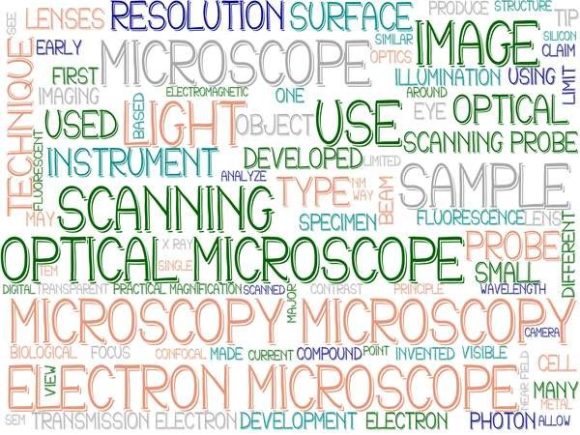
Whether you're designing a lab-themed wedding invitation, crafting science-inspired home décor, or launching a biology-focused brand, the Microscopy Wordcloud Tumbler delivers unexpected versatility. It’s not just another decorative graphic—it’s a thoughtfully composed visual tool built from authentic scientific vocabulary, layered with aesthetic intention and practical adaptability. At its core, it merges precision with personality: terms like “mitochondria,” “chromosome,” “fluorescence,” and “electron beam” swirl organically—yet legibly—into a cohesive, scalable composition that feels both intelligent and inviting.
What Makes This Wordcloud Stand Out?
Unlike generic word clouds generated by online tools, the Microscopy Wordcloud Tumbler is hand-curated. Every term reflects real microscopy practice—no filler words, no algorithmic repetition. The typography balances readability and rhythm: larger, bolder terms anchor the design (“nucleus,” “resolution,” “staining”), while smaller, lighter entries (“z-stack,” “cryo-EM,” “phase contrast”) add texture and depth. The layout tumbles gently—not in chaos, but in controlled motion—evoking the dynamic nature of microscopic imaging itself.
This intentional design makes it uniquely suited for contexts where credibility matters. A medical startup using it on a brochure signals expertise without jargon overload. An educator printing it as a classroom poster sparks curiosity without overwhelming students. Even hobbyists find value: scrapbookers layer it behind vintage microscope illustrations; textile designers repeat it subtly across fabric swatches for science-themed apparel.
Where It Fits Naturally in Real Projects
The Microscopy Wordcloud Tumbler thrives where function meets flair. Here’s how it integrates seamlessly across disciplines:
- Promotions & Invitations: Launch a STEM outreach event with custom invitations—the wordcloud becomes a subtle background watermark or bold header element. Its academic warmth invites engagement without intimidating guests.
- Branding & Logos: Extract a single term—like “cellular” or “lens”—and pair it with clean iconography to build a memorable brand mark. Or use the full cloud as a secondary pattern in brand guidelines for packaging or web headers.
- Print & Packaging Design: Print it at high resolution on product boxes for educational kits, lab supply bundles, or even artisanal science-themed candles. Its grayscale-friendly palette ensures crisp output on matte paper, foil-stamped lids, or kraft mailers.
- Digital & Social Media: Resize intelligently for Instagram carousels (each slide highlighting a different term), animate select words for LinkedIn banner videos, or embed into email newsletters as a branded divider. Because it’s vector-based, it scales flawlessly across devices.
- Home Décor & Accessories: Transfer it onto ceramic mugs, laser-etch it onto wooden coasters, or screen-print it onto linen tea towels. Its organic flow softens technical subject matter—making science feel personal, tactile, and lived-in.
Why Designers Choose It Over Generic Alternatives
Designers consistently return to the Microscopy Wordcloud Tumbler because it solves three common pain points:
- Licensing clarity: It comes with broad commercial rights—no hidden restrictions for print runs, digital distribution, or merchandise resale. You won’t hit a usage cap mid-campaign.
- Format flexibility: Delivered in multiple file types (SVG, EPS, PNG, PDF), it adapts whether you’re editing in Figma, prepping for offset printing in InDesign, or uploading to Canva for quick social posts.
- Contextual resonance: It doesn’t shout “science!”—it whispers it with nuance. That subtlety works especially well for crossover audiences: wellness brands referencing cellular health, art collectives exploring bio-aesthetics, or sustainable fashion labels drawing parallels between microscopic ecosystems and textile lifecycles.
Practical Tips for Best Results
Getting the most out of the Microscopy Wordcloud Tumbler starts with smart adaptation—not just placement. Here’s what experienced users do differently:
- Adjust color intentionally: Swap the default grayscale for a single accent hue (e.g., cobalt blue for trust, terracotta for warmth) to align with your palette. Avoid multi-color overlays—they dilute the scientific cohesion.
- Isolate for impact: Use clipping masks in Photoshop or Illustrator to pull out specific clusters—say, all terms related to “imaging techniques”—and feature them solo on a business card or app icon.
- Pair with complementary visuals: Layer it beneath a transparent photo of actual microscope slides, or place it beside minimalist line drawings of lab tools. Contrast creates clarity.
- Test legibility early: Zoom out to 25% view—if key terms vanish or blur, simplify the background or increase contrast before finalizing. Remember: this isn’t just art; it’s communication.
Industries and Audiences Already Leveraging It
From university communications teams to indie jewelry makers, adoption spans far beyond traditional science publishers. A few real-world examples:
- A biotech startup used the Microscopy Wordcloud Tumbler as the central motif on investor pitch decks—reinforcing domain authority while keeping slides visually engaging.
- An Etsy seller prints it on adhesive vinyl, cuts individual words into tiny magnets, and sells them as “lab-themed desk accessories.” Repeat customers cite the authenticity of the vocabulary as a key differentiator.
- A children’s museum integrated it into an interactive exhibit wall: visitors touch highlighted terms to trigger short audio explanations about each concept—turning passive viewing into active learning.
- A UX design agency embedded a simplified version into a healthcare SaaS dashboard, using term size to reflect feature usage analytics—blending data visualization with thematic branding.
What to Consider Before You Use It
While highly adaptable, thoughtful implementation matters. Ask yourself:
- Is my audience familiar with microscopy concepts? If not, consider adding a brief glossary footnote—or choose only the top 5–7 most accessible terms for primary visibility.
- Will this appear alongside other text-heavy elements? If yes, reduce opacity or apply a light Gaussian blur to the wordcloud background so body copy remains dominant.
- Do I need translation or localization? The current version uses English terminology. For multilingual campaigns, work with a subject-matter translator—not just a language specialist—to ensure scientific accuracy in target languages.
- What’s my production timeline? Because it’s ready-to-use, it eliminates days of custom wordcloud generation and refinement—ideal for tight deadlines without sacrificing quality.
Ultimately, the Microscopy Wordcloud Tumbler succeeds because it respects both the rigor of its source material and the creativity of its users. It doesn’t ask you to simplify science—it invites you to express it with intention, elegance, and purpose. Whether you’re sketching a logo on napkin or fine-tuning a 10,000-unit print run, it offers consistency, credibility, and quiet sophistication—all in one downloadable asset.