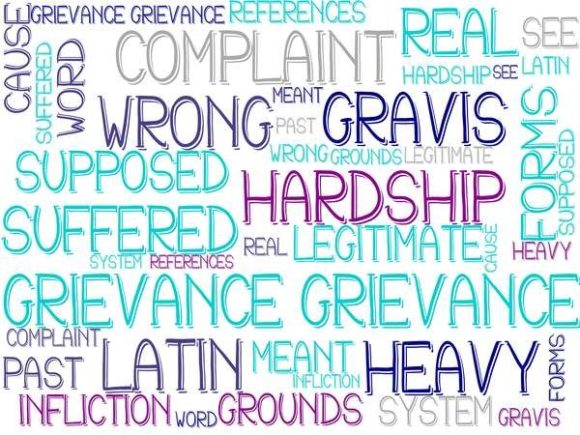
Grievance Wordcloud Sublimation
Imagine turning raw, unfiltered feedback—customer complaints, employee concerns, student reflections, or community input—into a visually compelling, emotionally resonant design asset. That’s the quiet power of Grievance Wordcloud Sublimation: not just a decorative overlay, but a strategic translation tool that transforms qualitative data into tangible, wearable, and shareable visual language.
At its core, Grievance Wordcloud Sublimation refers to the process of generating a wordcloud from authentic grievance-related text (e.g., survey responses, support tickets, forum comments, or focus group transcripts), then applying that design via sublimation printing onto fabric, ceramic, metal, or polymer substrates. Unlike generic wordclouds built from stock phrases or marketing buzzwords, this approach anchors visuals in real voices—making the output inherently credible, context-rich, and human-centered.
Why It Stands Out Among Design Tools
What separates Grievance Wordcloud Sublimation from standard wordcloud generators or clipart-based decor is intentionality. The words aren’t algorithmically inflated for aesthetics—they’re weighted by frequency, sentiment proximity, and contextual relevance. A cluster like “delayed shipping,” “no tracking,” and “unresponsive” doesn’t just look busy; it signals a systemic pain point—and when printed on a tote bag handed to logistics staff, it becomes both a reminder and a catalyst.
Sublimation adds durability and fidelity: ink bonds at the molecular level with polyester-coated surfaces, so fine text remains legible, gradients stay smooth, and colors resist fading—even after repeated washing or outdoor exposure. That matters whether you’re printing on stainless steel magnets for a HR feedback wall or on ceramic mugs for a university ombudsman office.
Real-World Uses You Can Start Today
This isn’t theoretical. Professionals across sectors are already integrating Grievance Wordcloud Sublimation into workflows where transparency, empathy, and actionability intersect:
- Internal Culture Initiatives: HR teams print wordclouds from exit interviews onto framed canvases for leadership briefings—replacing bullet-point summaries with visceral, glanceable insight.
- Educational Advocacy: Student councils convert campus climate survey results into posters for hallway displays, helping peers recognize shared concerns without stigma.
- Customer Experience Campaigns: Retail brands feature anonymized complaint-derived wordclouds on limited-edition apparel—turning accountability into brand authenticity (e.g., “We Heard You” t-shirts with terms like “long lines,” “better signage,” “faster checkout”).
- Community Organizing: Nonprofits sublimate neighborhood safety survey findings onto banners for town halls—making data accessible to residents who don’t engage with spreadsheets or PDF reports.
- Creative Therapy & Expression: Counselors and art therapists guide clients in building grievance wordclouds as part of processing—then sublimate them onto journals or textile panels as tactile milestones.
Where It Fits Across Your Creative Stack
You don’t need to overhaul your toolkit to use Grievance Wordcloud Sublimation effectively. Think of it as a bridge between analysis and application:
- Branding & Identity: Use it selectively—not as a logo, but as a supporting motif in brand guidelines that emphasize responsiveness (e.g., subtly woven into presentation decks or website footers).
- Social Media & Email: Export high-res PNGs of sublimated designs for Instagram carousels or email headers—pairing visual impact with narrative context (“This wordcloud reflects 412 patient feedback submissions last quarter.”).
- Print & Packaging: Apply to product inserts, warranty cards, or even reusable packaging—transforming functional items into conversation starters about improvement.
- UX & Service Design: Print wordclouds on sticky-note pads used in co-design workshops, grounding ideation in actual user language rather than assumptions.
Practical Considerations Before You Begin
Success hinges less on technical complexity and more on thoughtful curation. Here’s what seasoned users prioritize:
- Source Integrity: Only use text from opt-in, anonymized, and ethically collected feedback. Avoid aggregating sensitive categories (e.g., medical details, identifiers) unless fully de-identified and consented.
- Word Selection Discipline: Remove filler words, but preserve modifiers that add nuance—“too slow,” “not clear,” “barely working” carry weight plain “slow” or “unclear” don’t.
- Color Psychology: Neutral palettes (charcoal, slate, oat) often communicate seriousness better than bright gradients—unless your goal is energy or urgency (e.g., red-orange for time-sensitive service gaps).
- Substrate Matching: Not all materials handle dense text equally. For small-format items like business cards or magnets, simplify the cloud to top 8–12 terms. For posters or textiles, lean into density—but test readability at arm’s length.
- Iterative Use: Re-run the wordcloud quarterly or per campaign cycle. A static design loses resonance; an evolving one shows progress—and invites continued contribution.
One educator we spoke with uses Grievance Wordcloud Sublimation on classroom door decals—updated each semester with student feedback on pacing, clarity, and inclusivity. “It’s not about fixing everything overnight,” she said. “It’s about showing students their words land somewhere real—and that ‘heard’ isn’t just a checkbox.”
That same principle applies whether you’re a solopreneur refining a service offering or a global brand auditing customer trust. Grievance Wordcloud Sublimation works because it refuses to sanitize complexity. It honors the friction in systems, relationships, and experiences—and gives it form people can hold, display, discuss, and act upon.
If you’ve spent hours summarizing feedback only to watch it gather dust in a slide deck, try shifting one report into a sublimated poster, sticker sheet, or notebook cover. The medium changes how the message lands—and often, how seriously it’s taken.