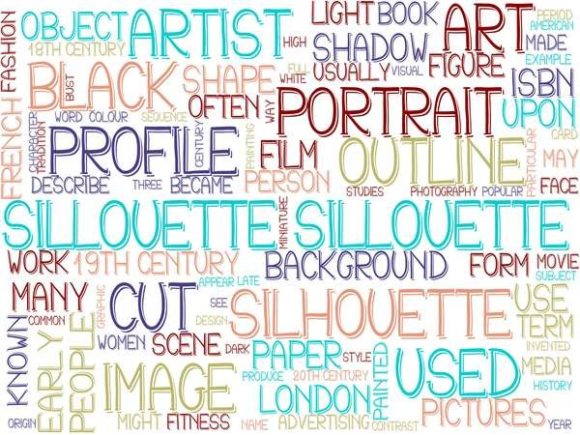
Sillouette Wordcloud Background
A Sillouette Wordcloud Background is more than just a decorative graphic—it’s a versatile, scalable design asset where meaningful words or phrases are arranged to form the outline of a shape—often a person, animal, object, or abstract form. Unlike standard word clouds that fill space randomly, this version uses typography as both content and contour: words define the silhouette itself. Designers, marketers, educators, and crafters reach for it when they need visual impact with narrative depth—think wedding invitations shaped like interlocking rings, brand banners formed from core values, or classroom posters built from vocabulary terms.
Why It’s Easy to Misjudge What You’re Actually Getting
Many people assume “Sillouette Wordcloud Background” means one thing—until they download or purchase it and realize it doesn’t behave the way they expected. The most common misstep? Confusing editable vector files with flattened raster images. A JPEG or PNG version may look sharp on screen but won’t scale cleanly for large-format prints like banners or packaging. Worse, if the words aren’t live text (or aren’t grouped logically), swapping out “Summer Sale” for “Fall Collection” becomes a tedious manual rewrite—not a quick edit.
Another frequent oversight: overlooking licensing. Some free downloads come with personal-use-only restrictions—fine for scrapbooking, but risky for client work, branded merchandise, or social media ads. Using an unlicensed Sillouette Wordcloud Background in a business card or e-book cover could expose you to takedown requests or legal friction down the line.
How File Type and Structure Shape Real-World Use
The file format isn’t just technical detail—it directly affects your flexibility. Here’s what to check before downloading or buying:
- Vector vs. raster: Look for AI, EPS, or SVG files if you’ll resize, recolor, or extract individual words. PSD or PNG files limit you to pixel-based edits—and often lock layers.
- Editable text: Ensure words are either live type (not outlines) or clearly labeled layers. If every word sits on its own layer named “Value_1”, “Value_2”, etc., customization stays intuitive.
- Transparency support: A transparent background (no white box) lets you drop the silhouette seamlessly over photos, gradients, or textured surfaces—critical for web banners, social posts, or packaging mockups.
- Color mode: CMYK files suit print projects (brochures, magnets, business cards); RGB works best for digital use (email headers, Instagram carousels, website hero sections).
For example, a freelance designer preparing a boutique’s holiday campaign chose a free Sillouette Wordcloud Background labeled “snowflake + festive words”. It looked perfect online—but turned out to be a low-res PNG with embedded shadows. When scaled to fit a 4'×8' store poster, edges blurred, text became illegible, and the shadow didn’t align with new lighting in the layout. A vector alternative—found after filtering search results for “editable silhouette word cloud SVG”—solved it in under ten minutes.
What “Get Crafty” Really Means—Without the Guesswork
“Get crafty with this beautiful wordcloud” sounds inviting—but crafting well starts with intention, not decoration. That invitation shaped like a heart? Only lands if the words inside reflect tone and purpose: “Joy”, “Together”, “Celebrate” read warmer than “RSVP”, “Menu”, “Parking”. A tech startup’s conference banner using a gear-shaped Sillouette Wordcloud Background gains authority when filled with terms like “Innovation”, “Scalable”, “Secure”—not generic filler like “Fast”, “Easy”, “Great”.
Similarly, don’t overlook hierarchy. In a magazine spread or eBook chapter opener, larger, bolder words should carry more weight—both visually and conceptually. If “Community” appears smaller than “Refreshments”, the message gets muddled. Use font weight, size variation, and strategic placement—not just density—to guide the eye and meaning.
Smart Sourcing: Where to Look (and What to Skip)
Not all marketplaces vet quality the same way. Free sites like Pixabay or Unsplash sometimes host Sillouette Wordcloud Backgrounds—but rarely with layered, editable sources. Premium platforms like Creative Market or Adobe Stock often include usage licenses, multiple formats, and designer notes. When browsing:
- Read the description carefully—not just the title. Phrases like “fully customizable”, “layered PSD”, or “vector + fonts included” signal usability.
- Check preview thumbnails at 100% zoom. Can you read individual words without squinting? Do curves flow smoothly, or do jagged edges suggest poor vector construction?
- Look for real user reviews mentioning editing experience—not just “cute” or “pretty”. Comments like “changed all text in 3 minutes” or “used the SVG in Cricut Design Space with no issues” are strong signals.
When Simplicity Outperforms Complexity
It’s tempting to pack every inch of the silhouette with words—but clarity trumps density. A brochure panel using a tree-shaped Sillouette Wordcloud Background crammed with 47 terms loses focus. Instead, try three to five high-impact words—“Rooted”, “Growth”, “Legacy”, “Seasons”, “Branch Out”—arranged along major limbs. Leave breathing room. Let negative space reinforce shape and meaning.
This principle applies equally to digital use. On mobile screens or email clients with limited rendering power, overly complex silhouettes can load slowly or distort. A streamlined version—clean lines, consistent spacing, minimal font variations—performs better across devices and delivers your message faster.
Final Thought: Match the Tool to the Task
A Sillouette Wordcloud Background isn’t a shortcut—it’s a thoughtful bridge between language and visual identity. Whether you’re designing a teacher’s classroom welcome sign, a podcast’s Spotify cover, or a local café’s loyalty card, ask yourself: Does this help people understand *what matters*—not just what looks nice? Does it adapt without breaking? Does it respect your time, your audience, and your goals?
When chosen and used with attention to structure, licensing, and intent, it becomes more than background. It becomes voice. Shape. Story.