Jewellery Wordcloud Crafting: Where Meaning Meets Design
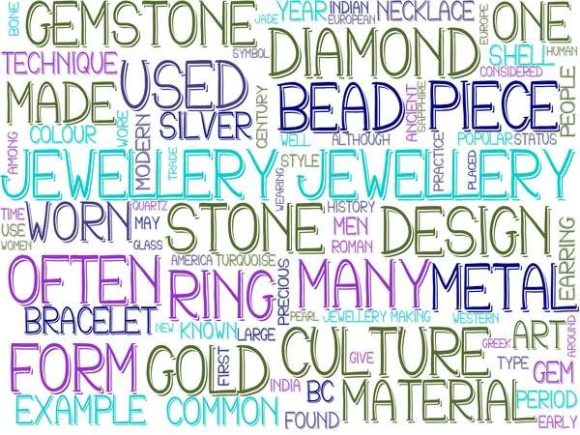
At its core, Jewellery Wordcloud Crafting is the intentional assembly of meaningful words—names, values, materials, emotions, or stories—into a visually balanced, typographic composition shaped like a pendant, ring, locket, or abstract jewel form. Unlike generic word clouds, this practice prioritises aesthetic harmony, legibility, and emotional resonance. It’s not about cramming in keywords—it’s about curating language that reflects identity, intention, or narrative, then arranging it with design sensitivity. This makes it especially powerful for creators who work at the intersection of language and visual storytelling: jewellery designers launching a new collection, boutique brands refining their voice, educators designing thematic learning tools, or wedding planners personalising keepsake invitations.
Why It Fits Naturally Into Today’s Creative and Commercial Landscape
Consumers—and professionals alike—are increasingly drawn to authenticity over polish. A hand-crafted wordcloud embedded in a packaging insert, a social media graphic, or a business card doesn’t just communicate; it signals care, thoughtfulness, and human intention. That aligns with broader shifts: the rise of slow branding, demand for tactile experiences in a digital world, and growing preference for customisation over mass-produced templates. Jewellery Wordcloud Crafting supports these tendencies without requiring advanced technical skill—it bridges typography, copywriting, and visual design in accessible ways.
Consider how digital workflows have evolved. Designers no longer need to toggle between five apps to build a cohesive brand asset. With modern tools—vector editors, layout software, even well-structured Canva templates—crafting a wordcloud for a logo variant, an Instagram story highlight, or a textile print takes minutes, not hours. And because the output is inherently modular (a single cloud can scale from a 2-inch magnet to a 48-inch poster), it integrates seamlessly across physical and digital touchpoints—from e-mail headers to enamel pin mockups.
More Than Decoration: Functional Flexibility Across Real Use Cases
What sets Jewellery Wordcloud Crafting apart is its functional range—not just its beauty. Here’s how it works in practice:
- Promotions & invitations: A bridal boutique might shape a wordcloud from guest names, wedding date, and shared values (“trust”, “adventure”, “laughter”) into a circular motif used across save-the-dates, ceremony programs, and thank-you cards—creating continuity without repetition.
- Branding & packaging: A small-batch jewellery maker could embed material origins (“recycled silver”, “Fairmined gold”, “lab-grown sapphire”), craftsmanship terms (“hand-forged”, “oxidised”, “stone-set”), and ethos words (“slow”, “ethical”, “timeless”) into a compact, diamond-shaped cloud featured on tissue paper, tags, and web banners.
- Social media & web design: Instead of static hero text, a designer might animate a subtle wordcloud behind a product shot—words fading in and out based on user scroll behaviour or seasonal themes—adding depth without clutter.
- Printables & scrapbooking: Educators use themed wordclouds (e.g., “resilience”, “curiosity”, “collaboration”) as decorative borders for student reflection sheets. Hobbyists incorporate them into mixed-media journals alongside pressed flowers or metallic foil accents.
- Textile & accessory design: A textile artist may convert a wordcloud into a repeat pattern for silk scarves or enamel bracelet backs—turning language into wearable texture.
This versatility isn’t accidental. It emerges from how wordclouds function as *semantic anchors*: they hold meaning while adapting visually. A phrase like “heirloom”, “light”, and “balance” carries weight whether printed on a business card or embroidered onto a linen pouch. That dual capacity—conceptual clarity + visual adaptability—is why Jewellery Wordcloud Crafting has grown beyond novelty into a quiet staple of thoughtful design practice.
How the Practice Has Matured—And Why Attention Is Growing Now
Early wordcloud tools were limited: rigid layouts, poor kerning, little control over hierarchy or spacing. They often felt algorithmic rather than authored. Today’s approach is more deliberate. Designers select typefaces with personality—serifs for heritage, clean sans-serifs for modernity, handwritten styles for intimacy. They adjust letter spacing manually, rotate key terms for emphasis, and use transparency or colour gradients to guide the eye—not just fill space. The shift mirrors larger trends in typography: renewed appreciation for craft, increased comfort with hybrid tools (AI-assisted layout + human editing), and deeper understanding of how language performs visually.
Attention is also rising because of platform-specific needs. Instagram favours bold, scannable visuals—wordclouds deliver that when shaped intentionally. E-mail clients reward clean, text-forward designs—well-structured clouds meet accessibility standards better than image-only headers. Print buyers seek sustainable options—wordcloud-based artwork requires minimal ink coverage, supporting eco-conscious production. Even UX designers are exploring subtle wordclouds as micro-interactions: hover states that reveal definitions, or responsive layouts where words reflow gracefully across device sizes.
Practical Considerations for Creators and Businesses
Getting started doesn’t require a design degree—but it does benefit from intention. Start by identifying your core message: What three to seven words must appear? Avoid vague terms (“quality”, “excellence”) unless paired with concrete modifiers (“locally cast”, “100% traceable”). Then consider context: Will this live on a dark background? Choose high-contrast fonts. Is it destined for embroidery? Prioritise thick strokes and generous spacing. Test readability at actual size—especially for small formats like magnets or e-book chapter dividers.
Collaboration matters too. Copywriters and designers increasingly co-create wordclouds early in projects—not as afterthoughts, but as foundational assets. A jeweller launching a “Ocean Memory” collection might workshop words with a poet or marine biologist before finalising shapes and weights. That kind of cross-disciplinary input elevates both language and form.
For businesses evaluating ROI: Jewellery Wordcloud Crafting shines in consistency-building. One carefully built cloud can serve ten+ applications—reducing design revision time, reinforcing messaging across channels, and strengthening brand recall. It’s cost-effective, scalable, and deeply personalisable—no two clouds need look alike, even when sharing source words.
Looking Ahead—Without Overpromising
The future of Jewellery Wordcloud Crafting isn’t about automation—it’s about refinement. Expect tighter integration with CMS platforms (so wordclouds update dynamically with blog tags or product attributes), expanded support for multilingual layouts, and growing adoption in inclusive design practices—like adjustable contrast modes or screen-reader-friendly SVG markup. But the heart remains unchanged: choosing words with purpose, placing them with respect, and letting meaning lead form.
That’s why it resonates across such varied uses—from a hand-lettered postcard sent to a loyal customer, to a full-page spread in a design magazine, to the subtle watermark on a downloadable mood board. It meets people where they are: seeking connection, clarity, and craft in equal measure. Whether you’re sketching ideas on paper or building assets in Figma, Jewellery Wordcloud Crafting invites you to slow down, choose deliberately, and make language visible—in ways that last.